
Transform Your Mornings, Transform Your Body
Discover the science-backed breakfast strategies that fuel sustainable weight loss. Learn how the right morning meal can reshape your metabolism and energy levels for life.
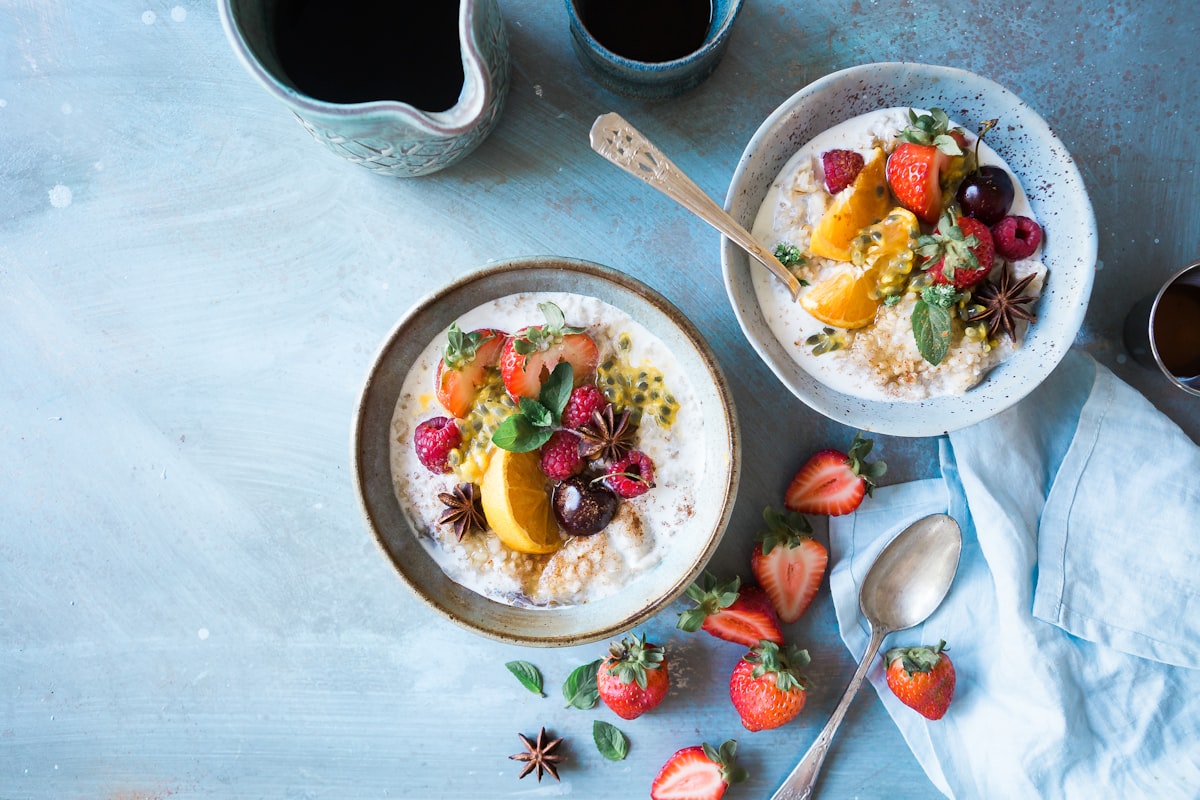
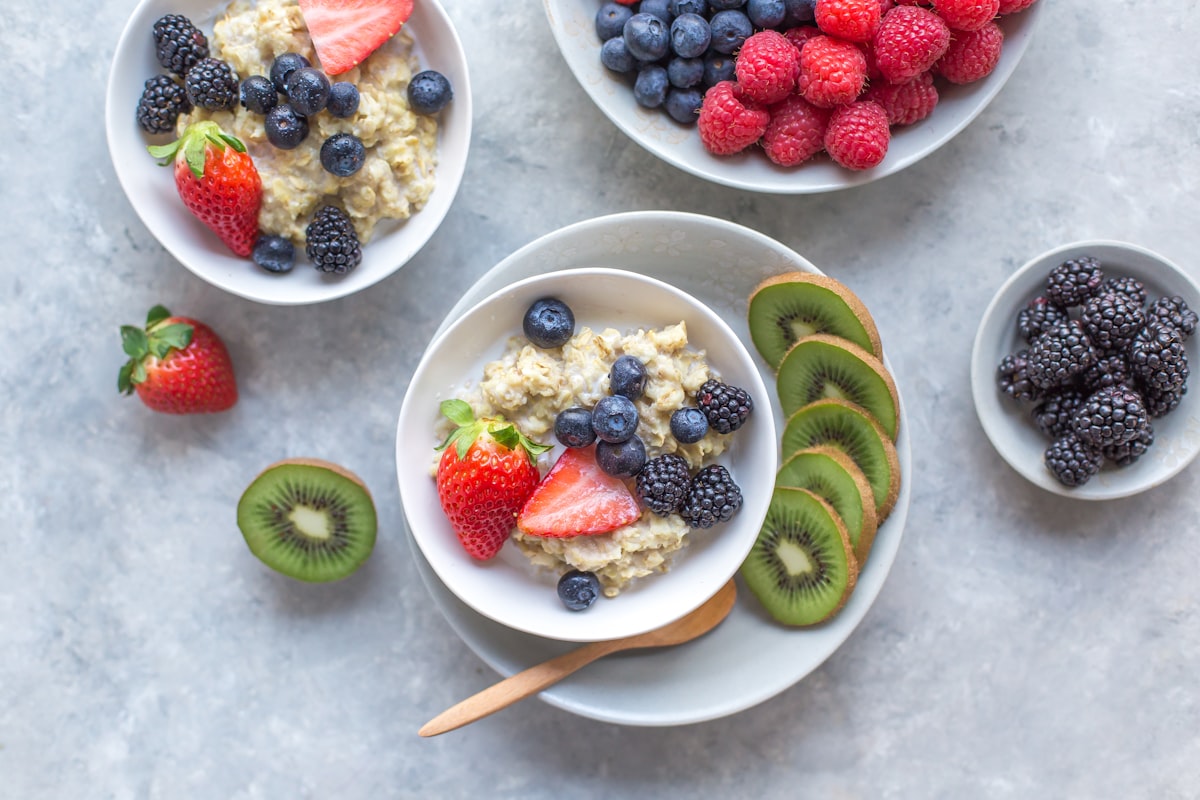
Why Breakfast Matters for Weight Loss
Many believe skipping breakfast accelerates weight loss, but research tells a different story. A nutrient-dense morning meal stabilises blood sugar, reduces afternoon cravings, and jump-starts your metabolic rate. The key is choosing the right foods in the right proportions.
Your breakfast acts as the foundation for your entire day. When you fuel yourself with protein, healthy fats, and complex carbohydrates, you're not just satisfying hunger—you're setting your body up for optimal calorie management and sustained energy throughout the day.
- Stabilises Blood Sugar: Prevents energy crashes and sugar cravings by midday.
- Boosts Metabolism: A morning meal increases your daily calorie expenditure and thermic effect.
- Enhances Focus: Proper nutrition fuels mental clarity and concentration at work or home.
5 Healthy Breakfast Recipes for Weight Loss
These evidence-based breakfast options combine nutritional science with practical simplicity. Each recipe is designed to promote satiety, support your metabolic goals, and taste delicious.
Protein-Packed Egg Scramble
Two whole eggs scrambled with spinach, mushrooms, and a slice of whole-grain toast. This classic combination delivers 18 grams of protein, keeps you fuller longer, and provides essential micronutrients for optimal metabolism.
Greek Yogurt Parfait with Berries
Layer 150g of Greek yogurt with a handful of blueberries, a tablespoon of almonds, and a drizzle of raw honey. The probiotics support digestion, while the antioxidants fight inflammation—ideal for steady weight management.
Oatmeal with Chia Seeds
Half a cup of rolled oats with chia seeds, sliced apple, and cinnamon. The soluble fibre keeps you satisfied for hours, while chia seeds add omega-3 fatty acids and enhance your feeling of fullness throughout the morning.
Protein Smoothie Bowl
Blend one scoop of protein powder with half a banana, 150ml of unsweetened almond milk, and a handful of spinach. Top with granola and coconut flakes. Quick, nutrient-dense, and perfect for busy mornings when time is limited.
Avocado Toast on Whole Grain
One slice of whole-grain sourdough topped with half an avocado, a poached egg, and a sprinkle of black pepper. Healthy fats keep you satiated, while the complex carbs provide sustained energy without blood sugar spikes.
Cottage Cheese Pancakes
Mix cottage cheese, two eggs, and vanilla extract to create protein-rich pancakes. Serve with fresh strawberries and a small drizzle of maple syrup. An excellent alternative to traditional pancakes with far more protein and fewer refined carbs.
What Our Readers Are Saying
Real transformations from people who've implemented these breakfast strategies into their daily lives.
"I started following the recipes on this site and couldn't believe the difference a proper breakfast made. I used to skip meals thinking it would help, but instead, I was exhausted by mid-morning and reaching for unhealthy snacks. Now with the protein-packed egg scramble, customers report experiencing stable energy all day and gradual weight loss without constant hunger. This is genuinely life-changing."
Sarah Mitchell
Manchester, England
"The article explaining blood sugar stability completely changed how I approach my mornings. I've tried the Greek yogurt parfait and cottage cheese pancakes—both are delicious and so much simpler than I expected. What impressed me most was the scientific backing for every recipe. Not just generic advice, but actual nutritional data and explanations of why each ingredient matters for weight management."
James Patel
London, England
"As someone who travels for work, I appreciated that every recipe is practical and doesn't require fancy equipment. The avocado toast option is something I can make in any hotel room, and it's genuinely helped me stay on track while on the road. The content is honest, well-researched, and focuses on sustainable habits rather than quick fixes. Highly recommend Trimfitlifestyle for anyone serious about understanding nutrition."
Emma Richardson
Birmingham, England
Your 30-Day Breakfast Challenge
Transform your relationship with breakfast through a structured, science-backed approach. Follow this simple framework to build sustainable eating habits.
Week 1: Foundation
Start with one of our suggested recipes, prepared 5 days a week. Track how you feel—energy levels, hunger timing, and mood. This baseline week establishes your starting point and helps identify which recipe works best with your schedule and taste preferences. Don't overthink it; consistency is more important than perfection.
Week 2: Variety & Refinement
Rotate through different recipes to find your favourites. Pay attention to which combinations keep you fullest and most energised. Make small adjustments based on your feedback—perhaps add more berries if you crave sweetness, or increase protein if you're hungry mid-morning. This personalisation phase is crucial for long-term adherence.
Week 3: Habit Integration
By this point, your chosen breakfasts should feel like automatic habits. The decision fatigue disappears, and meal prep becomes second nature. Notice improvements in afternoon cravings, energy stability, and overall wellbeing. This is when people typically report clothes fitting differently and feeling noticeably better throughout their day.
Week 4: Sustainability & Beyond
Consolidate your habits and reflect on what works. You've now built a month of healthy breakfast data—information you can use indefinitely. Consider which recipes you'll keep rotating, how your body has responded, and what adjustments make sense for your lifestyle. This becomes the foundation for lasting change.
Frequently Asked Questions
Get answers to the most common questions about healthy breakfast and weight loss strategies.
For most adults aiming for weight loss, a breakfast between 250–400 calories is ideal. This provides enough fuel to prevent mid-morning hunger and energy crashes, whilst maintaining a calorie deficit when paired with balanced lunch and dinner. The specific number depends on your total daily intake and activity level. Our recipes are designed within this range, making them practical starting points that you can adjust based on your individual needs and response.
Absolutely. While research shows benefits to eating breakfast, what matters most is meal timing that fits your lifestyle and schedule. If you naturally prefer eating later, eating your main meal at 11am or noon instead of 7am is perfectly valid. The principle remains the same—start your eating window with a balanced, protein-rich meal. What's most important is consistency, nutrient quality, and finding an eating pattern you can sustain long-term.
Energy and digestion improvements often appear within 3–7 days. You'll likely notice fewer afternoon cravings, better focus, and improved sleep within two weeks. Physical changes like weight reduction and body composition shifts typically become noticeable after 4–6 weeks, depending on your overall nutrition, exercise habits, and starting point. The key is patience and consistency rather than expecting dramatic overnight transformation. Weight loss is a marathon, not a sprint.
No. All our recipes use basic kitchen items—a pan, cutting board, and basic utensils. Ingredients like eggs, oats, yogurt, and fresh fruit are available in any UK supermarket at reasonable prices. We've designed the recipes specifically for accessibility and simplicity. There's no need for expensive supplements or specialty items. Budget-friendly options exist for every recipe, making healthy breakfast attainable regardless of your financial situation.
Every recipe can be adapted. For dairy-free options, use plant-based yogurt or milk alternatives. For vegan breakfasts, substitute eggs with tofu or legume-based scrambles. If you have nut allergies, use seeds instead (sunflower, pumpkin, or sesame). The underlying principles—adequate protein, healthy fats, and complex carbs—remain constant regardless of which specific foods you choose. Consult our detailed guides or contact our editorial team for specific adaptation ideas tailored to your needs.
You can do either. Our recipes are balanced to provide approximately 15–25g of protein per serving, which is the key target for satiety. If you enjoy tracking detailed macros, the nutritional information is provided. However, many people find success simply following the recipes without detailed tracking. The most effective approach is whichever one you'll actually stick with. Start simple; add complexity only if you feel it's necessary for your results.
Ready to Transform Your Breakfast Routine?
Discover the complete guide to healthy breakfast strategies, science-backed recipes, and practical meal-planning tips designed specifically for sustainable weight loss and long-term wellness.